
Sanoviv Medical Institute stands apart from traditional hospitals and wellness centers by intentionally creating a healing environment. Here, nature, beauty, thoughtful architecture, and a commitment to low-toxin living are seamlessly integrated. Located next to the Pacific Ocean in Rosarito Beach, Mexico, with views of Bahía de Descanso (The Bay of Rest), Sanoviv immerses guests in a distinctive blend of tranquility, natural beauty, and restorative wellness found nowhere else.
From the moment guests arrive, they are surrounded by nature’s soothing influence. An expansive ocean view, fresh sea air, manicured gardens, dramatic sunsets, and measured noise of waves create a restorative atmosphere that immediately slows the pace of daily life. Research continues to show that exposure to natural environments can reduce stress, improve mood, strengthen cognitive function, and support psychological health.1-4 Brief interactions with nature have been shown to produce measurable mental health benefits.3
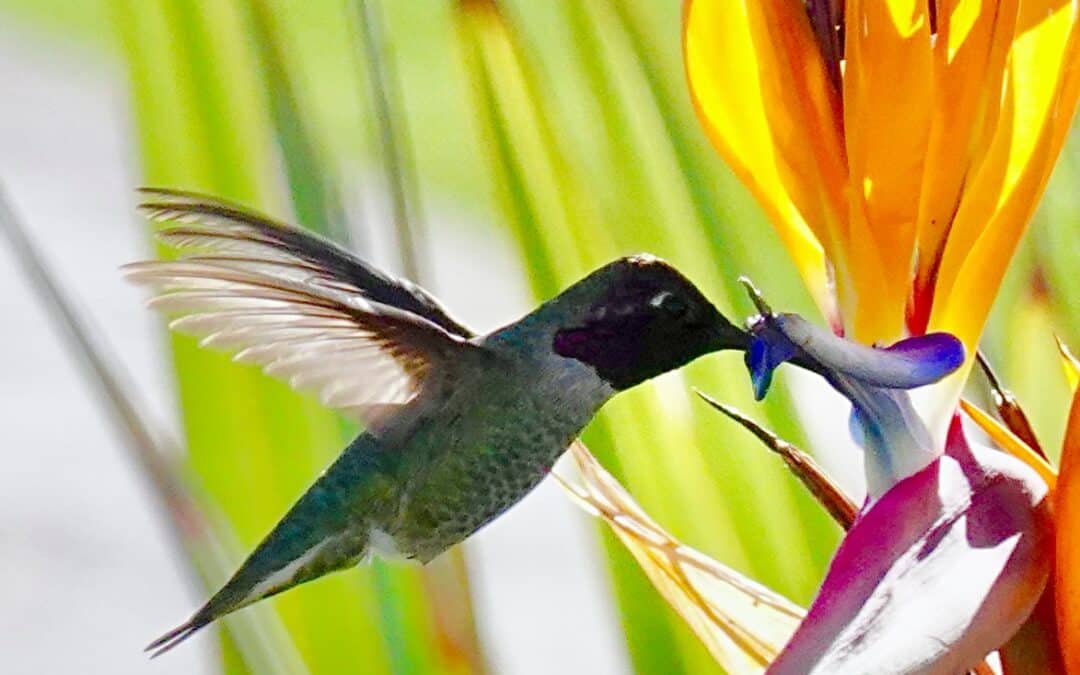
The natural setting around Sanoviv provides frequent encounters with wildlife. Guests may see whales migrating, dolphins offshore, sea lions swimming nearby, or birds such as pelicans, hummingbirds, and ospreys flying overhead. These moments of awe and presence are rare in modern life. Studies also suggest that nature connection may support psychological health and resilience.1-4
The Importance of Environment
What truly distinguishes Sanoviv is its healing philosophy, which permeates every aspect of the environment. Unlike many conventional facilities, Sanoviv utilizes low-toxin materials, such as safer paints, glues, carpets, and furnishings, setting a new standard for health-focused design. Reverse osmosis water throughout the facility reduces contaminants. Guests wear natural fabrics, and the grounds are maintained using organic practices—all choices aimed at fostering a health-promoting environment that is rare in most wellness settings.
Indoor air quality is also important to health. Research suggests that cleaner indoor spaces with lower levels of volatile organic compounds (VOCs) and better air quality may benefit cognitive function, focus, and overall well-being.9 For 25 years, Sanoviv’s low-toxin focus reflects a growing awareness. Our environments can profoundly influence how we feel, think, and heal.
The Healing Power of Peace and Beauty
Sanoviv’s peaceful, restorative atmosphere was intentionally created in contrast to today’s world of pervasive noise, artificial lighting, harsh cleaners, digital overstimulation, and constant stress. The facility instead offers reduced electromagnetic exposure, soothing natural surroundings, fresh ocean air, and restful spaces.
Beauty defines the Sanoviv experience. Throughout the property, guests encounter artistic touches—from paintings and sculptures to vintage furnishings and elegant architectural details. Marble floors, curated artwork, and private oceanfront rooms create an environment that is refined, welcoming, and sensory-rich rather than clinical.
The dining experience at Sanoviv supports healing through beauty and nourishment. Guests enjoy a whole-foods diet emphasizing vegetables and fresh, mostly organic ingredients, all thoughtfully prepared and artfully presented. Each meal, featuring vibrant produce and attention to detail, is restorative and memorable. This approach shows healthy food can be beautiful, satisfying, and life-giving. Research links plant-rich, minimally processed diets to better health, longevity, and less inflammation.11,12
Scientific research also supports the idea that beautiful environments can positively influence healing and psychological health. Exposure to nature, art, sunlight, and aesthetically pleasing surroundings has been associated with decreased stress and improved healing results.7-10 One landmark study published in Science demonstrated that surgical patients with views of nature recovered more quickly and required less pain medication than those facing a brick wall.10 These findings uphold the idea that healing is not exclusively influenced by treatments, but also by the environment surrounding the individual.
Sanoviv’s philosophy encourages guests to bring more beauty and wellness into daily life. Not everyone can live by the ocean. However, everyone can make small changes that support peace, health, and restoration.
How to Bring Beauty Into Your Life
One simple way to create a healing home is to reduce clutter. Surround yourself with meaningful objects that inspire calm or joy. Add indoor plants, fresh flowers, natural textures, and calming colors to transform a space. Greenery and natural elements can help emotional restoration and mental well-being.2-5
Reducing toxins at home can also make a big difference. Choose less toxic cleaning products, improve indoor air quality, filter drinking water, and reduce artificial fragrances. The World Health Organization highlights the importance of air quality for health.8 Selecting natural fabrics, such as cotton, linen, or wool, can also help create a comfortable living space.
Beauty often comes from slowing down and being present. Watching a sunrise or sunset, listening to birdsong or the waves, displaying special artwork, preparing nourishing meals, or spending time outdoors can become healing rituals. Beauty is often found in simplicity, mindfulness, and intentional living.
Sanoviv stands out by recognizing that healing extends beyond medical care alone. At Sanoviv, nature, beauty, art, architecture, peace, emotional support, and environmental wellness are woven into every aspect of the healing journey. In a world that often feels overstimulated and disconnected, Sanoviv offers guests a genuinely transformative experience: the rare opportunity to heal in an environment where every element is purposefully designed to nourish both body and soul, inspiring lasting change and a renewed sense of well-being.
REFERENCES
- Spano G, Ricciardi E, Theodorou A, et al. Objective greenness, connectedness to nature and sunlight levels towards perceived restorativeness in urban nature. Sci Rep. 2023;13:18192. doi:10.1038/s41598-023-45604-3
- Rhee JH, Schermer B, Han G, et al. Effects of nature on restorative and cognitive benefits in indoor environment. Sci Rep. 2023;13:13612. doi:10.1038/s41598-023-40408-x
- Bettmann JE, Speelman E, Blumenthal E, Couch S, Schmalz DL. Nature exposure, even as little as 10 minutes, is likely to yield short-term benefits for adults with mental illness: a meta-analysis. Ecopsychology. 2024;16(3). doi:10.1089/eco.2023.0063
- Gál V, Dömötör Z. The role of connection with nature in empirical studies with physiological measurements: a systematic literature review. Biologia Futura. 2023;74:281-294. doi:10.1007/s42977-023-00185-0
- Owens M, Bunce H. The effect of brief exposure to virtual nature on mental wellbeing in adolescents. Sci Rep.2023;13:17769. doi:10.1038/s41598-023-44717-z
- Koivisto M, Grassini S. Mental imagery of nature induces positive psychological effects. Curr Psychol.2023;42:30348-30363. doi:10.1007/s12144-022-04088-6
- Browning MHEM, Shipley N, McAnirlin O, et al. An actual natural setting improves mood better than its virtual counterpart: a meta-analysis of experimental data. Front Psychol. 2020;11:2200. doi:10.3389/fpsyg.2020.02200
- World Health Organization. WHO global air quality guidelines: particulate matter (PM2.5 and PM10), ozone, nitrogen dioxide, sulfur dioxide and carbon monoxide. Published 2021.
- Allen JG, MacNaughton P, Satish U, Santanam S, Vallarino J, Spengler JD. Associations of cognitive function scores with carbon dioxide, ventilation, and volatile organic compound exposures in office workers: a controlled exposure study of green and conventional office environments. Environ Health Perspect. 2016;124(6):805-812. doi:10.1289/ehp.1510037
- Ulrich RS. View through a window may influence recovery from surgery. Science. 1984;224(4647):420-421. doi:10.1126/science.6143402
- Chen Z, Drouin-Chartier JP, Li Y, et al. Changes in plant-based diet quality and total and cause-specific mortality. N Engl J Med. 2024;390(6):509-521. doi:10.1056/NEJMoa2306898
- Estruch R, Ros E, Salas-Salvadó J, et al. Primary prevention of cardiovascular disease with a Mediterranean diet supplemented with extra-virgin olive oil or nuts. N Engl J Med. 2018;378(25):e34. doi:10.1056/NEJMoa1800389
- Chen Q, Espey MG, Sun AY, et al. Ascorbate in pharmacologic concentrations selectively generates ascorbate radical and hydrogen peroxide in extracellular fluid in vivo. Proc Natl Acad Sci U S A. 2007;104(21):8749-8754. doi:10.1073/pnas.0702854104
- Duconge J, Gonzalez MJ, Warnock W, Riordan NH. Pharmacokinetics of vitamin C: insights into the oral and intravenous administration of ascorbate. P R Health Sci J. 2008;27(1):7-19.
- 15. Pearson AG, Pullar JM, Cook J, et al. Peroxiredoxin 2 oxidation reveals hydrogen peroxide generation within erythrocytes during high-dose vitamin C administration. Redox Biol. 2021;41:101980. doi:10.1016/j.redox.2021.101980
- Carr AC, Cook J. Intravenous vitamin C in cancer care: evidence review and practical considerations. Can Assoc Naturopathic Doctors J. 2023.