
If you examine mold under a microscope, you’ll find surprisingly beautiful structures resembling flowers, branches, and intricate networks in a variety of colors. In nature, mold serves an essential purpose. As part of the fungi kingdom, mold helps break down dead organic matter, recycling nutrients back into the ecosystem. Without fungi, forests would become buried under fallen leaves and decaying trees, and the natural cycle of life would come to a halt.
The problem is not mold itself. The problem arises when mold grows indoors, particularly in water-damaged buildings where people spend much of their lives breathing contaminated air.
While outdoor air pollution has long been recognized as a health concern, indoor air quality may be an even greater issue for many individuals. The average person spends nearly 90% of their time indoors, and research increasingly suggests that hidden mold and water damage may contribute to a wide range of chronic health complaints.1,2
More Than Just Mold
In recent years, experts have begun focusing not only on mold, but on what are known as water-damaged buildings. When a building experiences chronic moisture from roof leaks, plumbing problems, flooding, condensation, or poor ventilation, an entire ecosystem of microorganisms can develop within walls, flooring, insulation, and HVAC systems.1,3
These environments may contain molds, bacteria, fungal fragments, volatile organic compounds, endotoxins, and inflammatory particles that circulate through indoor air. In many cases, the source remains hidden behind walls or beneath flooring, making exposure difficult to recognize.
Common Symptoms of Mold and Water-Damaged Building Exposure
Not everyone responds to mold exposure in the same way. Individual susceptibility appears to be influenced by factors including genetics, immune function, detoxification capacity, and duration of exposure.4 Some individuals may remain symptom-free, while others experience significant health challenges. These factors, along with nutritional status and overall health, may influence susceptibility.
Common symptoms include:
- Chronic fatigue and weakness
- Brain fog and difficulty concentrating
- Memory problems
- Headaches and dizziness
- Sinus congestion and chronic cough
- Asthma and shortness of breath
- Skin rashes and itching
- Joint and muscle pain
- Mood changes, anxiety, or irritability
- Digestive complaints such as bloating and diarrhea
- Sleep disturbances
- Increased sensitivity to chemicals, fragrances, or foods
Because these symptoms are often nonspecific, many individuals may spend years searching for answers before considering their indoor environment as a contributing factor.
The Mold-Brain Connection
One of the most common complaints among individuals with mold exposure is cognitive dysfunction, often described as “brain fog.”
Research suggests that certain mycotoxins—the toxic compounds produced by some molds—may contribute to inflammation and oxidative stress.5 Emerging evidence indicates that mycotoxins may also affect mitochondrial function, the cellular energy-producing systems that are especially important in the brain and nervous system.6,7
As a result, individuals may experience:
- Poor concentration
- Word-finding difficulties
- Short-term memory issues
- Mental fatigue
- Reduced productivity
- Mood disturbances
Although these symptoms can have many causes, environmental exposures are increasingly recognized as important factors that should not be overlooked.
Your Immune System and Mold Exposure
The immune system plays a critical role in determining how the body responds to environmental toxins. For some individuals, ongoing mold exposure may contribute to chronic inflammation and immune dysregulation.4,6 Others may develop heightened sensitivities to foods, chemicals, fragrances, or environmental triggers. Researchers continue to investigate possible relationships between mold exposure, mast cell activation, histamine signaling, and chronic inflammatory conditions.
A healthy immune system is often the first line of defense against environmental stressors. When immune resilience is compromised, symptoms may become more pronounced.
Building Resilience Through Metabolic Health
An important area of emerging research is the relationship between metabolic health and environmental resilience. Individuals with stable blood sugar, adequate muscle mass, restorative sleep, regular physical activity, and a nutrient-dense diet may be better equipped to manage inflammatory and oxidative stress challenges.
While no diet can completely protect against mold exposure, supporting the body’s natural detoxification systems can help promote overall health.
Strategies include:
- Consuming a whole-food, anti-inflammatory diet
- Prioritizing vegetables, fruits, herbs, and quality protein
- Limiting ultra-processed foods and added sugars
- Maintaining regular physical activity
- Optimizing sleep quality
- Managing chronic stress
- Supporting healthy hydration
Creating a Healthier Indoor Environment
Because ongoing exposure can hinder recovery, addressing the environment is often the most important step.
Consider the following:
- Inspect your home regularly for water leaks and moisture intrusion.
- Repair plumbing leaks promptly.
- Dry wet materials within 24 to 48 hours whenever possible.8
- Maintain indoor humidity below 50%.
- Use HEPA air filtration systems.
- Replace HVAC filters regularly.
- Ensure bathrooms, kitchens, and laundry rooms have adequate ventilation.
- Avoid storing boxes or furniture tightly against exterior walls where moisture can accumulate.
- Consider a professional assessment if mold or water damage is suspected.
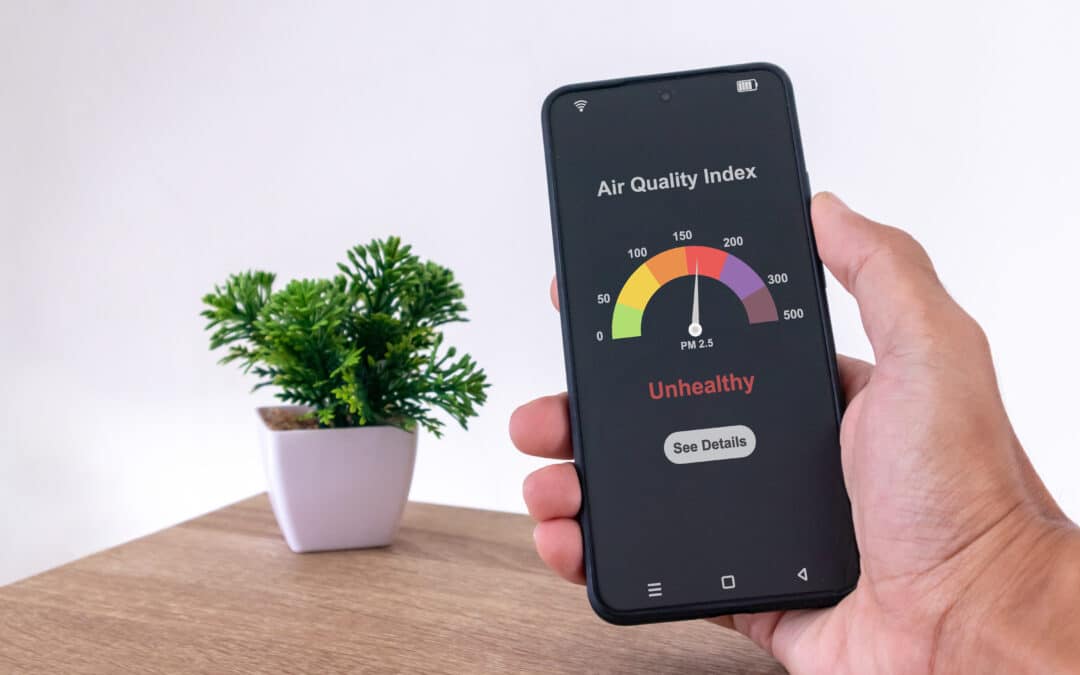
New technologies such as indoor air quality monitoring, moisture mapping, and environmental dust testing can help identify hidden issues that may otherwise go unnoticed.
Should You Test for Mold?
If you suspect your home may be contributing to your symptoms, environmental testing may provide useful information. Air sampling can identify elevated airborne mold spore levels, but newer methods, such as dust analysis (including ERMI and HERTSMI-2 testing), may better reflect long-term exposure. A professional inspection by an experienced indoor environmental professional is often recommended, particularly when water damage is suspected behind walls or under the flooring.
Likewise, healthcare providers may test an affected person’s body and evaluate symptoms to determine how these toxins may be affecting them. Practitioners use urine mycotoxin testing, symptom questionnaires, inflammatory markers, and a detailed environmental history as part of a comprehensive evaluation. Because no single laboratory test can diagnose mold-related illness, results should always be interpreted in the context of a person’s clinical presentation.
A Whole-Body Approach to Recovery
Mold-related illness can be complex and often requires a comprehensive approach. Recovery typically involves more than simply reducing exposure. Supporting detoxification pathways, improving nutritional status, enhancing sleep quality, optimizing gut health, and restoring metabolic resilience are all important considerations.
At Sanoviv, we recognize that environmental health is an essential component of whole-person wellness. Our comprehensive approach evaluates the interconnected roles of the environment, immune system, nutrition, detoxification pathways, and lifestyle factors to help guests restore health and vitality.
The home should be a place of healing and restoration. For some individuals, identifying and addressing hidden environmental stressors may be one of the most important steps on the journey toward better health.
REFERENCES
- World Health Organization. WHO Guidelines for Indoor Air Quality: Dampness and Mould. Copenhagen, Denmark: WHO Regional Office for Europe; 2009.
- Fisk WJ, Eliseeva EA, Mendell MJ. Association of residential dampness and mold with respiratory tract infections and bronchitis: a meta-analysis. Environ Health. 2010;9:72.
- Miller JD. The role of dust and fungal spores in sick building syndrome. Clin Rev Allergy Immunol. 2011;41(3):276-290.
- Hope J. A review of the mechanism of injury and treatment approaches for illness resulting from exposure to water-damaged buildings, mold, and mycotoxins. ScientificWorldJournal. 2013;2013:767482.
- Bennett JW, Klich M. Mycotoxins. Clin Microbiol Rev. 2003;16(3):497-516.
- Ratnaseelan AM, Tsilioni I, Theoharides TC. Effects of mycotoxins on neuropsychiatric symptoms and immune processes. Clin Ther. 2018;40(6):903-917.
- Błaszczyk N, Rosiak I, Kałużna-Czaplińska J. The impact of mycotoxins on human health and neurological function. Nutrients. 2022;14(11):2188.
- United States Environmental Protection Agency. A Brief Guide to Mold, Moisture and Your Home. Updated 2024.
- Brewer JH, Thrasher JD, Straus DC, Madison RA, Hooper D. Detection of mycotoxins in patients with chronic fatigue syndrome. Toxins (Basel). 2013;5(4):605-617.
- Centers for Disease Control and Prevention. Mold and Health. Updated 2024.